Introduction
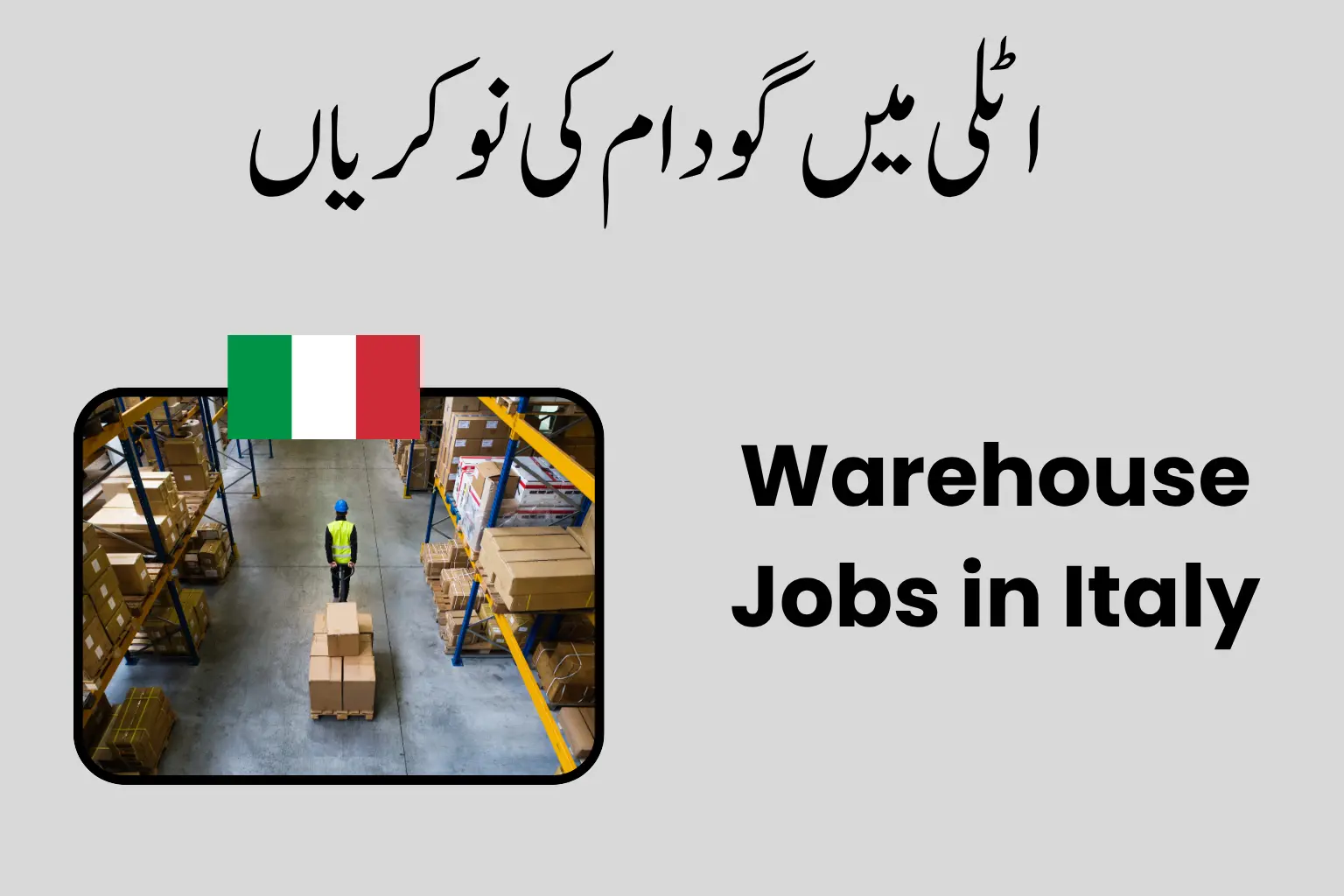
Warehouse jobs in Italy — often called magazziniere (warehouse worker/operator) — are among the most in‑demand vocational roles across the country’s logistics and supply chain sector. Due to the rise of e‑commerce, international trade, and modern distribution centers, Italy offers thousands of opportunities in warehouses, logistics hubs, and fulfillment centers, especially in major regions like Lombardy, Emilia‑Romagna, Veneto, and Lazio. These roles can be an excellent starting point for both local and international job seekers, including individuals without advanced degrees.
This guide will explore why warehouse jobs are a strong opportunity, the types of roles available, salary expectations, a step‑by‑step application process, eligibility requirements, visa information for non‑EU applicants, and a helpful FAQ section.
Why Warehouse Jobs in Italy Are Worth Considering
Warehouse positions in Italy have several advantages:
- Steady demand: Ongoing growth in logistics due to e‑commerce and traditional retail supply chains.
- Accessible entry requirements: Many roles do not require a university degree or extensive experience.
- Opportunities for career growth: You can progress from entry‑level positions to supervisory or specialist roles over time.
- Work options for non‑EU job seekers: Some warehouse employers provide visa sponsorship under Italy’s Decreto Flussi system (annual quota for foreign workers).
- Preferential locations: Northern Italy hubs — especially Milan, Bergamo, Bologna, and Verona — offer the most openings and often higher pay.
Types of Warehouse Roles & Salary Estimates
Table: Typical warehouse jobs in Italy and salary ranges (monthly gross)
| Role / Position | Typical Monthly Salary (EUR) | Overview |
|---|---|---|
| General Warehouse Worker | €1,000 – €1,500 | Entry‑level role involving receiving, packing, and storing goods. |
| Forklift / Mulettista Operator | €1,300 – €1,700 | Operate forklifts and handle goods with machinery. |
| Inventory Control Assistant | €1,200 – €1,600 | Track stocks and assist with inventory management. |
| Shift Supervisor / Team Lead | €1,600 – €2,200 | Handles supervision and coordination of warehouse teams. |
| Warehouse Manager | €2,500 – €3,500+ | Leads warehouse operations; strategic planning. |
💡 Salaries vary by region, company size, qualifications, and experience. Northern regions tend to offer higher compensation.
Core Duties and Workplace Environment
Warehouse workers are responsible for activities that ensure goods move efficiently through the supply chain. Typical duties include:
- Receiving incoming goods and inspecting for quality.
- Picking, packing, and preparing products for shipment.
- Operating warehouse systems and handling equipment like forklifts and scanners.
- Keeping accurate inventory records and updating systems.
- Ensuring safety protocols and standards are followed.
Work environments vary from large automated fulfillment centers to smaller distribution hubs. Many warehouses operate on shift schedules, including mornings, evenings, or nights.
Step‑by‑Step Guide to Applying for Warehouse Jobs in Italy
Here’s a practical application pathway you can follow:
Step 1: Update Your CV and Cover Letter
Your resume should highlight:
- Previous jobs or any physical or team‑oriented work experience.
- Forklift or equipment licenses (if available).
- Willingness to work shifts.
- Any language skills (Italian or English).
Step 2: Search for Warehouse Job Listings
Top Job Portals to Explore:
- 🇮🇹 LinkedIn Jobs: https://www.linkedin.com/jobs/
- 🇮🇹 Indeed Italy: https://it.indeed.com/
- 🇮🇹 Gi Group — Warehouse Listings: https://www.gigroup.it/
- 🇮🇹 Randstad Italy – Logistics Jobs: https://www.randstad.it/
- 🇮🇹 Manpower Italy – Magazziniere Jobs: https://www.manpower.it/
These websites list current openings and allow you to apply online.
Step 3: Apply Directly or Through Agencies
Many logistics and staffing agencies in Italy help match workers with warehouse jobs. When applying:
- Upload your CV and professional certifications.
- Write a brief, tailored cover letter for each application.
- Provide accurate contact details and availability.
Step 4: Prepare for Interviews
Warehouse job interviews typically focus on:
- Your ability to follow safety procedures.
- Experience with physical work and equipment.
- Availability for shift work.
Many employers offer on‑site or video interviews. Multilingual candidates might stand out.
Step 5: Work Permit & Visa (For Non‑EU Citizens)
If you are not an EU/EEA citizen, you’ll generally need:
- Job Offer: A confirmed contract from an Italian employer who sponsors a work permit.
- Work Permit (Nulla Osta): Employer obtains authorization from the Italian immigration office.
- Visa Application: Apply for a work visa at the Italian embassy/consulate in your home country.
- Residence Permit (Permesso di Soggiorno): Once in Italy, you must apply for this within 8 days.
(Requirements can vary based on the quota system and bilateral agreements.)
Eligibility Requirements and Useful Skills
Basic Requirements
- Minimum age: 18+.
- At least a secondary education diploma (often preferred).
- Valid ID or passport.
- Physical fitness and the ability to lift/stand for long hours.
Helpful Skills
- Basic Italian can be advantageous but not always required.
- Forklift/machinery certification (when applying for equipment roles).
- Familiarity with simple warehouse software (WMS).
- Teamwork, reliability, and safety awareness.
FAQ — Warehouse Jobs in Italy
1. Do I need Italian fluency to work in warehouses?
Not always. Some international employers hire workers with basic Italian or even English. However, Italian skills improve your chances and help with team communication.
2. What is the typical monthly wage for warehouse workers?
Monthly wages can range roughly between €1,000 and €2,200+, depending on experience, role, and location — with higher pay often found in northern regions.
3. Are there opportunities without prior experience?
Yes. Many entry‑level warehouse jobs hire candidates without prior logistics experience, especially for basic roles like picking, packing, and general labor.
4. Can non‑EU citizens work in warehouses in Italy?
Yes — but you generally need a work permit and visa, which typically require a formal job offer and employer sponsorship.
5. What are the peak hubs for warehouse jobs?
Top regions include Lombardy (Milan), Emilia‑Romagna (Bologna), Veneto (Verona/Venice), and Lazio (Rome).
6. Is there room for career growth in this sector?
Absolutely. With experience, you can move into roles like shift supervisor, inventory controller, and eventually warehouse/logistics manager.
Conclusion
Warehouse jobs in Italy offer a stable and accessible career path — especially for individuals seeking entry‑level roles with good pay potential and genuine opportunities for growth. Whether you are a recently graduated worker, a skilled forklift operator, or a foreign job seeker willing to relocate, Italy’s logistics sector has openings that could meet your goals.
Start by polishing your CV, searching trusted job portals, and applying early. With persistence and attention to the application steps, you could soon land a fulfilling warehouse role in one of Europe’s most dynamic job markets.